
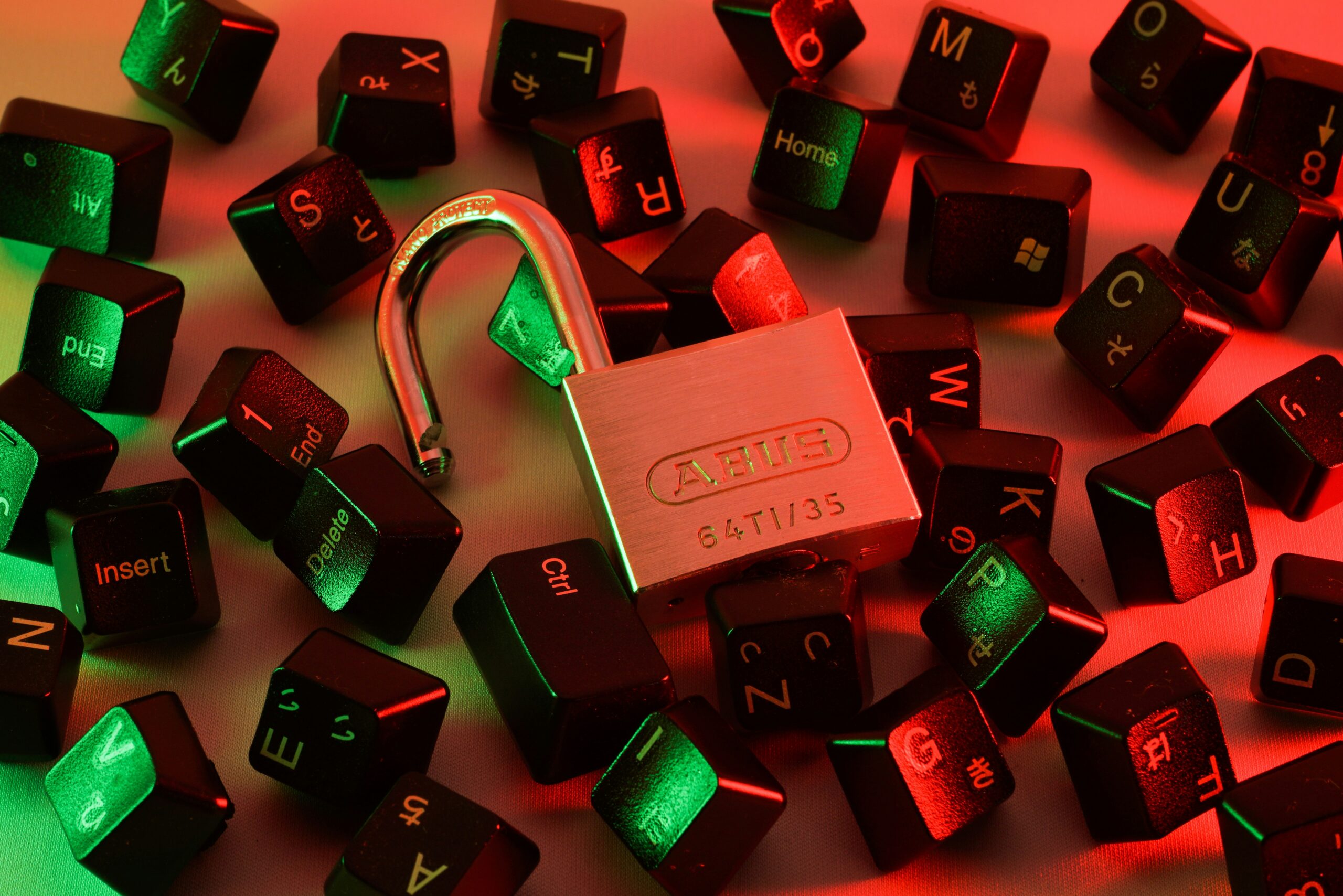
Why Internet Privacy is Crucial
In the early days of the web, the internet felt like a vast, anonymous frontier. Today, it’s more like a glass house where the walls are made of data. Every click, scroll, and purchase is a breadcrumb that forms a digital twin of your identity.
Many people shrug off privacy concerns with the phrase, “I have nothing to hide.” But internet privacy isn’t about hiding secrets; it’s about maintaining your autonomy, security, and dignity in a world that is increasingly “always-on.”
Privacy is a Shield Against Fraud
The most immediate reason to care about privacy is your physical and financial safety. In 2025 alone, global GDPR fines rose by 38%, largely due to companies failing to protect user data. When your “private” details leak, they don’t just disappear; they end up on the dark web.
-
Identity Theft: Small data points (your mother’s maiden name, your first pet, your location history) can be pieced together by hackers to hijack your bank accounts.
-
Targeted Scams: Detailed profiles allow scammers to create “spear-phishing” attacks that look incredibly legitimate because they know exactly what you recently bought or where you just traveled.
Preventing “Data Discrimination”
Data isn’t just used to show you ads for shoes you already bought. It’s used by algorithms to make life-altering decisions.
-
Price Discrimination: Some retailers use your browsing history or even your device type to adjust prices. If an algorithm thinks you’re a high-spender, you might see a higher price than someone else for the same hotel room.
-
Eligibility: Increasingly, insurance companies, lenders, and even employers use “alternative data” (like your social media activity or web habits) to judge your creditworthiness or character. Without privacy, you are at the mercy of a black-box algorithm that may be using biased or incorrect data to gatekeep your opportunities.
The “Nothing to Hide” Fallacy
Privacy is a fundamental human right, much like free speech. As Edward Snowden famously put it:
“Arguing that you don’t care about the right to privacy because you have nothing to hide is no different than saying you don’t care about free speech because you have nothing to say.”
When we are watched, we change our behavior. This “chilling effect” limits our ability to explore new ideas, research sensitive health topics, or express ourselves freely without the fear of being judged by a future employer or government.